Selecting the right door material is a critical decision for any build, renovation, or façade specification project. For architects, developers, and homeowners alike, aluminium has emerged as the leading choice — consistently outperforming traditional wooden doors across the key dimensions of performance, longevity, and total lifecycle cost. Here are ten reasons why.
1. Superior Durability
Aluminium is inherently strong and resistant to the full range of harsh environmental conditions. Unlike wood, which warps, cracks, swells, and rots when exposed to moisture and extreme temperature fluctuation, aluminium maintains its structural integrity for decades. In the Gulf region, where summer temperatures can exceed 50 °C and coastal locations add salt-laden humidity, this durability advantage is decisive.
2. Minimal Maintenance
Wooden doors demand periodic sanding, staining, painting, and sealing to remain in acceptable condition. Aluminium is virtually maintenance-free: an occasional wipe-down with mild soap and water is all that is required to keep the finish looking new. Over the operational life of a building, this difference in upkeep effort and cost is substantial.
3. Enhanced Security
The inherent strength of aluminium allows for robust, reinforced frames that are highly resistant to forced entry. Aluminium door systems integrate seamlessly with advanced multi-point locking mechanisms, anti-drill hardware, and smart access control technologies — delivering security performance that timber frames cannot match structurally.
4. Energy Efficiency Through Thermal Breaks
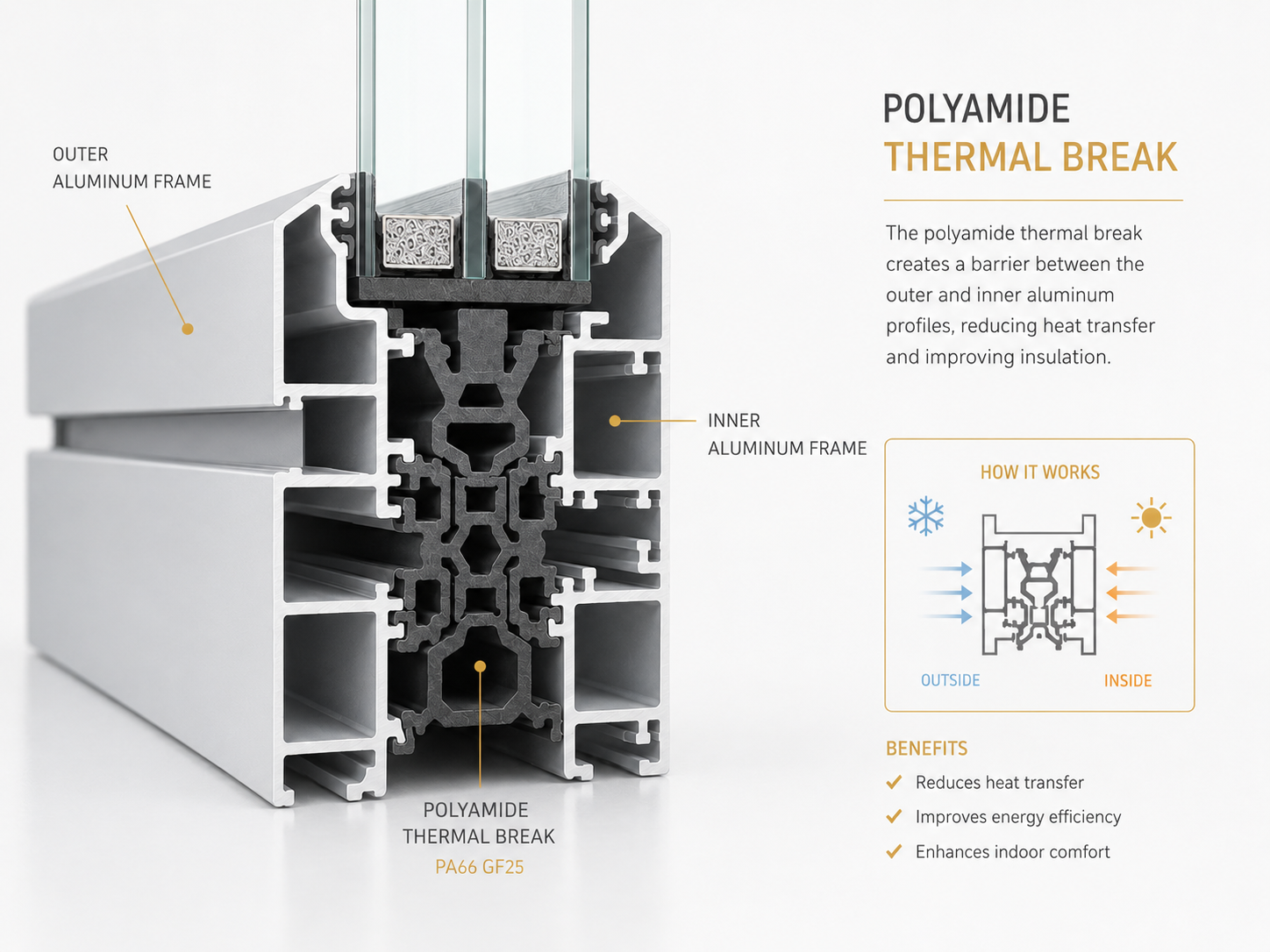
Modern aluminium doors are engineered with polyamide (PA66) thermal break inserts — continuous barriers of low-conductivity material that interrupt heat transfer through the frame. This technology keeps interiors cooler in summer and warmer in winter, significantly improving whole-door thermal performance and reducing HVAC energy consumption. Thermally broken aluminium doors can achieve whole-door U-values competitive with or superior to solid timber equivalents.
5. Sleek, Contemporary Aesthetics
Aluminium's structural strength allows for extremely slim, elegant profiles — maximising the glazed area of the door and flooding interiors with natural light. The result is a clean, contemporary aesthetic that complements modern architectural language in a way that bulky timber frames cannot replicate.
6. Exceptional Design Versatility
Aluminium can be manufactured in virtually any shape, size, or configuration. Powder-coated finishes are available in an almost unlimited colour palette, including wood-grain effect options for clients who want a warmer aesthetic without the maintenance burden. Anodised finishes provide additional corrosion resistance for coastal applications.
7. Greater Structural Strength
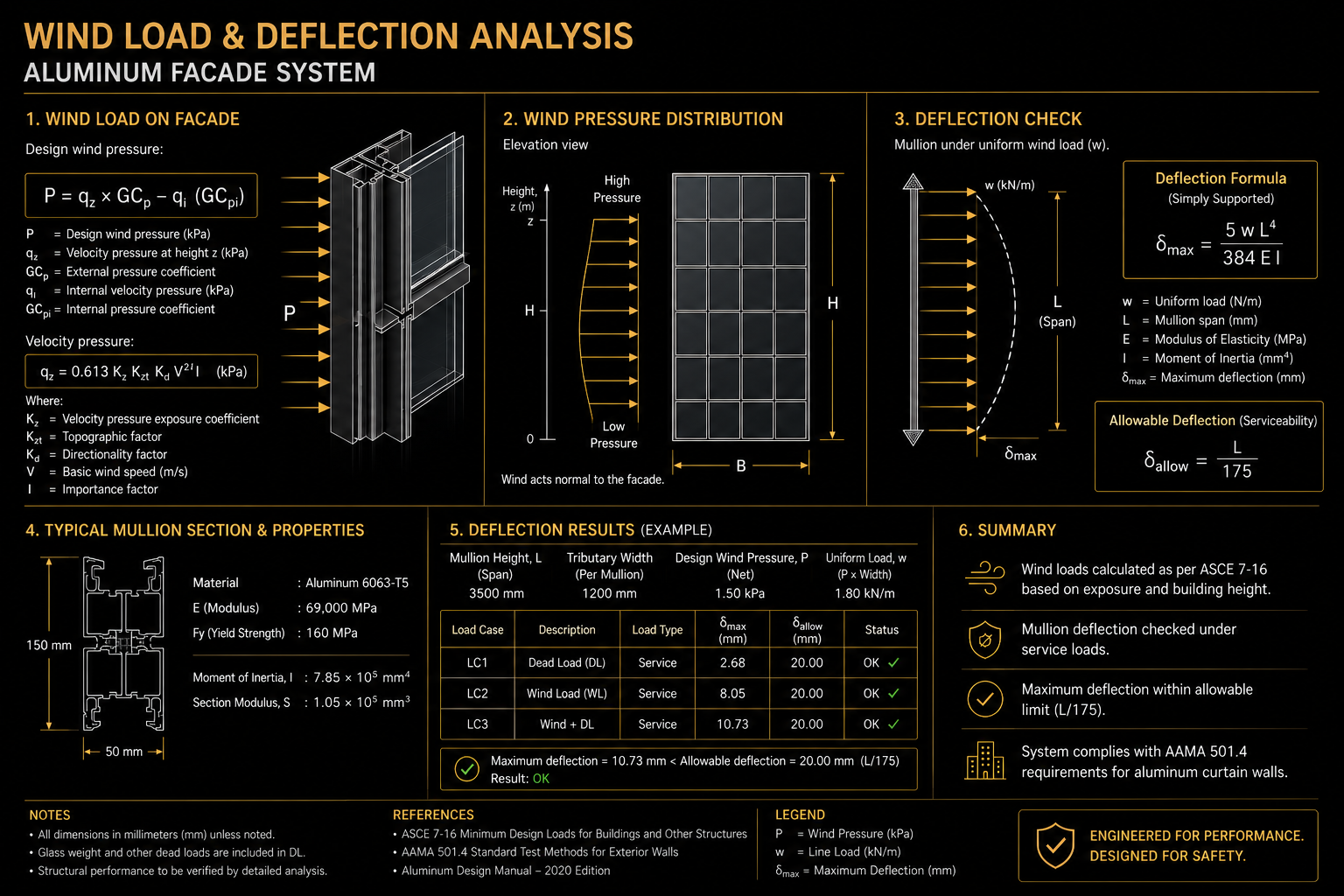
Aluminium is approximately three times stronger than wood for an equivalent cross-section, enabling the manufacture of larger, taller, and wider door openings without requiring additional structural framing. This makes aluminium the only practical material choice for floor-to-ceiling pivot doors, wide bi-fold and sliding systems, and large commercial entrance assemblies.
8. Sustainability and Recyclability
Aluminium is one of the most sustainable building materials available: it is 100% recyclable without any degradation in quality, and recycling aluminium requires only 5% of the energy needed to produce primary metal. Choosing aluminium over timber reduces demand for virgin wood resources, contributes to lower embodied carbon over the building lifecycle, and supports circular economy principles increasingly required by institutional and government clients.
9. Consistent Performance in All Conditions
Because aluminium does not expand or contract significantly in response to humidity or temperature shifts, aluminium doors operate smoothly and seal correctly year-round. There is no risk of seasonal sticking, swelling, or misalignment — problems that regularly affect timber doors in humid or high-temperature environments and that generate significant maintenance and warranty costs.
10. Better Long-Term Value
While aluminium door systems may carry a higher initial specification cost than basic timber equivalents, the total lifecycle value calculation consistently favours aluminium. The combination of an exceptional lifespan (often 40+ years with correct specification and installation), near-zero maintenance cost, sustained thermal performance, and strong contribution to property value makes aluminium the most cost-effective door material over any meaningful timeframe.