In 2025 and beyond, energy-efficient windows have evolved from simple household upgrades into high-tech, multifunctional building investments. Their special status comes from a combination of advanced glazing engineering, integrated smart technology, and significant long-term financial returns. Understanding what sets them apart is essential for architects, developers, and building owners aiming to meet today's energy codes and sustainability benchmarks.
Advanced Engineering: The Science Inside the Frame
Multi-Pane Units, Gas Fills & Low-E Coatings
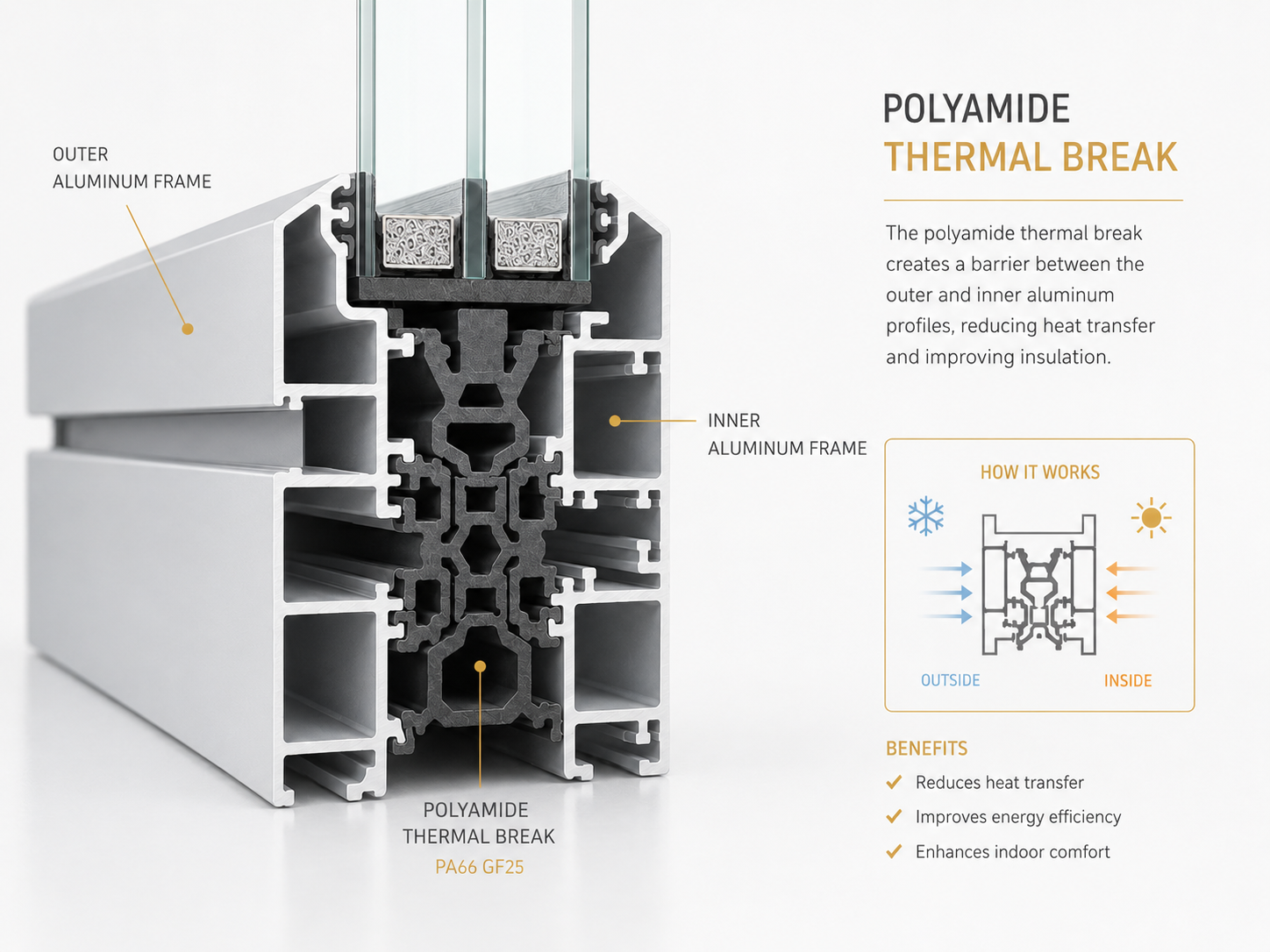
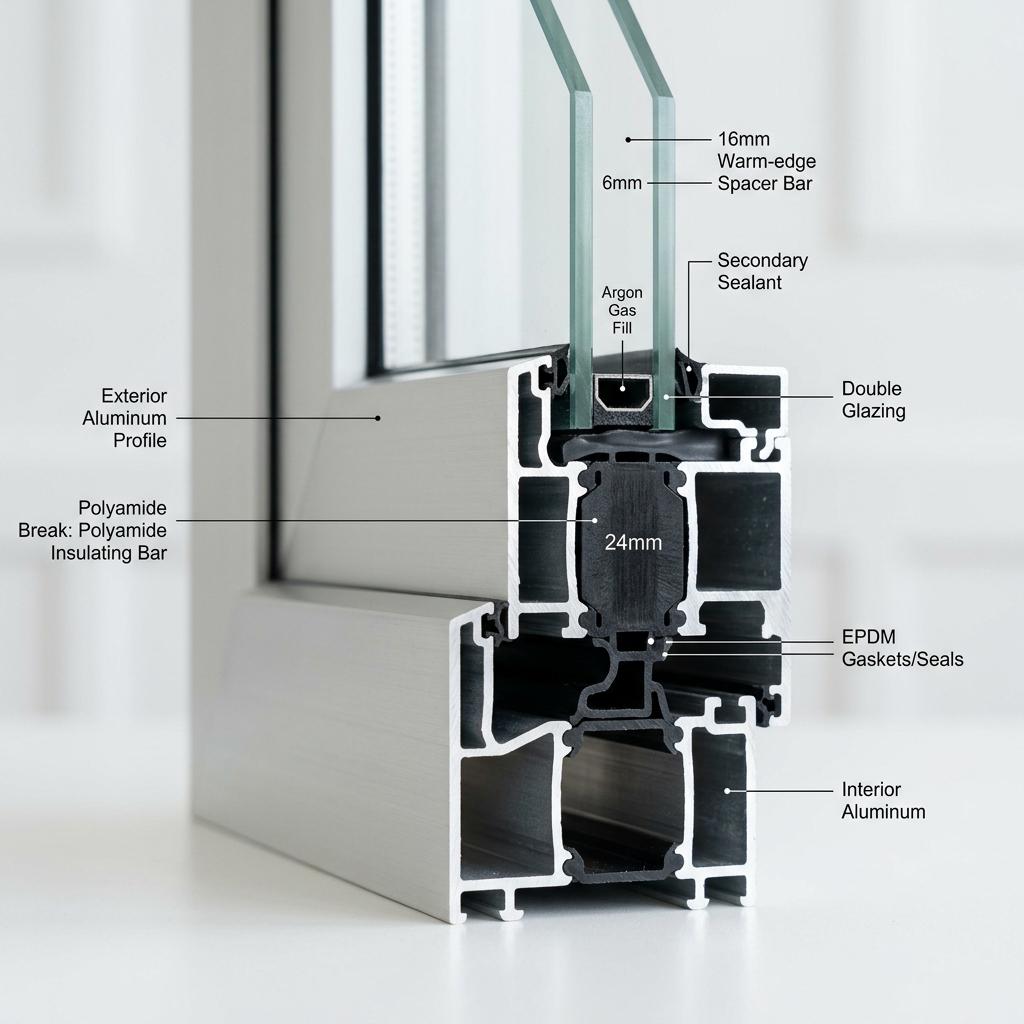
Modern energy-efficient windows are designed to act as a thermal shield for the building envelope. Unlike older, single-pane glazing that allows significant energy loss, today's units employ multiple layers of engineering working in concert. Double- and triple-pane insulating glass units (IGUs) create air or gas-filled cavities that dramatically slow heat transfer. The spaces between panes are typically filled with inert gases — argon or krypton — which provide far better insulation than standard air due to their lower thermal conductivity. A microscopic Low-Emissivity (Low-E) metal oxide coating, typically applied to the inner surface of the outer pane, reflects long-wave infrared radiation, keeping interiors cooler in summer and warmer in winter while blocking UV rays that degrade interior finishes. Finally, warm-edge spacers at the perimeter of the IGU reduce thermal bridging at the glass edge, preventing condensation and improving the whole-window U-value.
Smart Glass: Windows That Think
Electrochromic and Photochromic Adaptive Glazing
Perhaps the most striking development in modern fenestration is the rise of adaptive, or "smart," glass. Electrochromic glazing uses a small electrical current to trigger a chemical reaction in a thin film coating, allowing the glass to shift from fully transparent to a deeply tinted state on demand. Photochromic glass reacts automatically to sunlight intensity, darkening in bright conditions and clearing when light levels drop — functioning much like photochromic eyewear lenses, but at architectural scale. These technologies manage solar heat gain and interior glare dynamically, eliminating the need for blinds or shading devices and integrating directly with building management systems (BMS) and smart home platforms.
Financial & Environmental Benefits
Utility Savings, Incentives & Property Value
Upgrading to high-performance windows is widely recognized as one of the most effective building envelope investments. By reducing the thermal load on HVAC systems, energy-efficient windows deliver measurable reductions in monthly utility bills — the exact savings depend on climate zone, glazing specification, and building orientation, but reductions of 15–30% in cooling-related energy consumption are well documented in hot climates. In many jurisdictions, government incentive programmes further reduce the financial barrier: the U.S. Inflation Reduction Act, for example, continues to offer tax credits of up to $600 for qualified window replacements. Beyond running costs, high-performance fenestration has a demonstrable effect on property value. Buyers and valuers increasingly factor Energy Performance Certificate (EPC) ratings into their assessments, and glazing upgrades often deliver strong returns at resale.
Beyond Energy: Acoustic Performance & Aesthetics
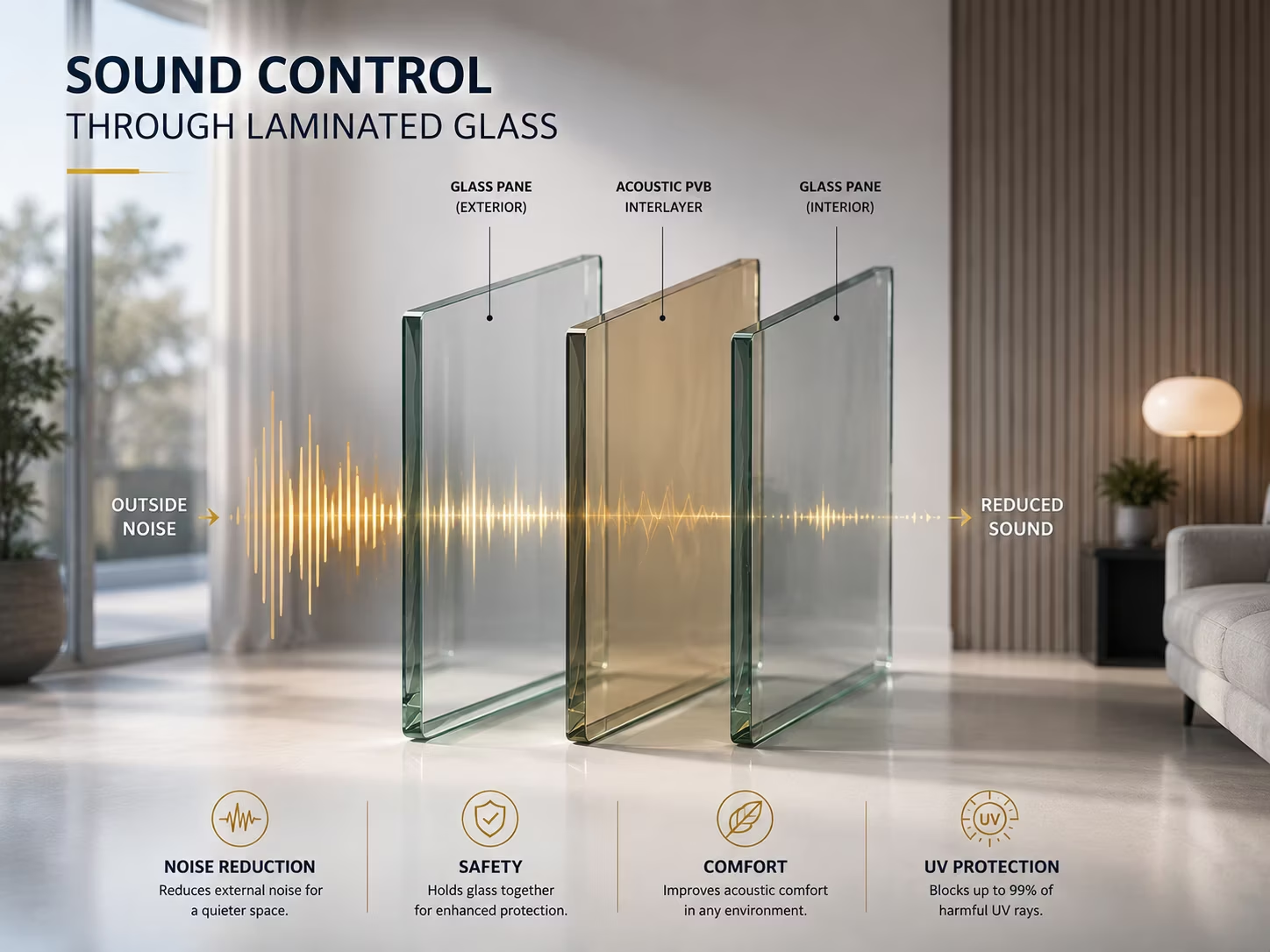
The structural qualities that make a window energy-efficient — tight seals, multiple glass layers, dense frame profiles — also deliver superior acoustic attenuation. Multi-pane IGUs with asymmetric glass thicknesses and acoustic PVB interlayers can achieve Sound Transmission Class (STC) ratings of 40–50 dB, creating dramatically quieter interiors in urban environments. At the same time, contemporary window design trends favour sleek, minimalist frames that maximise the glazed area, improving natural daylighting, visual connection to the exterior, and the overall aesthetic quality of the interior. Energy efficiency and architectural excellence, once considered trade-offs, are now deeply complementary.